Communal Area Cleaning in Camden for Flats, Estates, Offices, and Shared Buildings
Keeping Camden’s Shared Spaces Clean, Safe, and Welcoming

Communal area cleaning in Camden is about more than a tidy hallway. In a busy borough like Camden, shared spaces are used constantly by residents, visitors, tenants, staff, cleaners, contractors, and delivery teams. That means stairwells, entrances, lifts, lobbies, and internal corridors can pick up dirt quickly, especially in buildings with frequent foot traffic, street access close to busy roads, or multiple households sharing the same entrance.
If you manage a block of flats, look after an estate, or simply want your building’s common parts to feel cleaner and more presentable, a reliable local cleaning service can make a noticeable difference. From period conversions in Bloomsbury to modern apartment blocks in King’s Cross, from mixed-use buildings near Camden Town to mansion blocks around Swiss Cottage, the needs are similar: residents want shared areas that feel cared for, hygienic, and professional.
Local property managers and resident associations often need a cleaning schedule that fits the building, not the other way around. That is where a Camden-based team is especially useful. They understand access arrangements, parking limitations, the pace of the area, and the practical reality of working in shared spaces without disturbing residents or businesses.
Why Communal Cleaning Matters in Camden Buildings
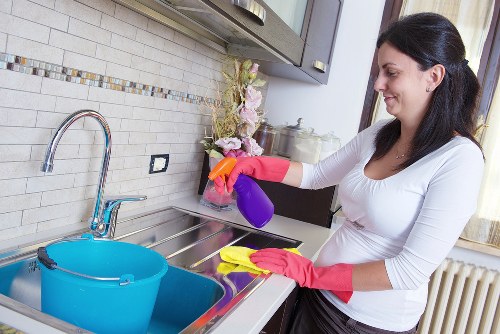
Communal areas are the first spaces people see when they enter a building. A fresh entrance and tidy stairwell can shape the entire impression of a property. More importantly, regular cleaning helps reduce dust build-up, remove litter, manage spills, and maintain a more pleasant environment for everyone who uses the space.
Camden has a wide mix of housing and commercial property. You will find everything from compact studio blocks and converted Victorian terraces to large estates, office buildings, student accommodation, and mixed-use developments with shops at street level and flats above. Each type of property has different cleaning priorities. A smaller conversion might need careful attention to narrow stairs, skirting boards, and shared door handles, while a larger estate may require a structured rota for multiple entrances, bin stores, lifts, and communal landings.
Regular communal cleaning also supports building management in a practical way. Clean shared spaces are easier to inspect, easier to maintain, and more likely to stay in good condition. When dirt and debris are left too long, it can become harder to remove and may contribute to odours, grime in corners, and a general sense of neglect.
What Our Communal Area Cleaning Service Includes

Every building is different, but a well-planned cleaning service for common parts typically focuses on the areas people touch and walk through every day. The service should be practical, thorough, and adapted to the layout of the property.
Typical tasks can include:
- Cleaning entrance halls and lobbies
- Dusting and wiping down handrails, banisters, and bannisters
- Vacuuming and sweeping stairwells and landings
- Mopping hard floors and tiled areas
- Wiping internal doors, handles, and push plates
- Cleaning skirting boards, edges, and low-level surfaces
- Removing cobwebs from corners, ceilings, and lighting areas
- Cleaning lift interiors and call buttons
- Emptying communal bins where agreed
- Spot cleaning walls, marks, and finger prints
- Cleaning glass panels, internal windows, and mirrored surfaces
- Maintaining shared corridors, mail areas, and reception spaces
Some properties also need extra attention in specific zones such as bike stores, bin rooms, service entrances, caretaker areas, or basement access corridors. A local service can build a cleaning plan around those details instead of using a one-size-fits-all approach.
Optional Additions for Certain Buildings
Depending on the building and occupancy, communal cleaning can also include periodic deeper tasks such as washing internal windows, cleaning base-level ventilation grilles, polishing metal fixtures, or carrying out a more detailed clean after renovation work, decorating, or tenancy changeovers.
Who Needs Communal Area Cleaning in Camden?

This service is useful for a broad range of local customers. In Camden, shared spaces are not limited to residential blocks. Many properties combine housing, businesses, and managed spaces that all need consistent attention.
Common customers include:
- Residents’ management companies
- Freeholders and landlords
- Property managers and block managers
- Housing associations and estate teams
- Letting agents with shared buildings
- Office managers and commercial landlords
- Mixed-use building operators
- Student accommodation providers
- Concierge and facilities teams needing cleaning support
In Camden, this can mean cleaning for a mansion block near Primrose Hill, a converted townhouse in Kentish Town, a purpose-built block near Euston, or a shared office building close to Holborn. The needs differ, but the goal is the same: a clean, well-kept environment that residents and visitors can trust.
For many buildings, communal area cleaning is not just about appearance. It is also part of good day-to-day management. People notice when a building is cared for. They also notice when it is not.
Why a Local Camden Team Makes a Difference

Choosing a local company for communal area cleaning in Camden offers practical advantages. Camden is busy, densely populated, and varied in property layout. Streets can be narrow, parking can be limited, and access arrangements can be more complex than in quieter suburban areas. A local team is more likely to understand those realities and plan work around them.
Local cleaners also tend to be more responsive when building routines change. For example, if a lift is out of service, if decorators need access, or if there has been an unexpected issue in a bin store or entrance area, it helps to have a team that can adapt quickly. Shared properties often need regular communication, especially where residents are concerned about timing, noise, or entry procedures.
Camden includes a wide mix of neighbourhoods and building styles, and that shapes how common parts should be cleaned. A building near Camden Road may have different access conditions than one near Russell Square. A property in Chalk Farm may have more footfall from visitors, while a block in Gospel Oak may need a more tailored schedule for residents and shared facilities. A local service can adjust more naturally to these differences.
How the Cleaning Service Works
When you enquire about communal area cleaning, the first step is usually to understand the property, the level of use, and the areas that need attention. This helps create a cleaning plan that matches the building rather than applying a standard routine that may miss important details.
A typical service process may look like this:
- Initial discussion about the building, access arrangements, and cleaning requirements.
- Property review to understand layout, surfaces, traffic levels, and any shared facilities.
- Cleaning plan built around frequency, tasks, and any special instructions.
- Scheduled visits carried out at agreed times to minimise disruption.
- Ongoing adjustments if the building’s needs change over time.
This type of service works well when it is dependable and consistent. Residents usually want to know that someone will arrive, complete the agreed tasks, and leave the area fresh and presentable. Building managers want a service that is easy to coordinate and simple to review.
Flexible Frequency Options
Some Camden buildings need daily attention, especially where there is significant footfall or where shared spaces are heavily used. Others may only need weekly or twice-weekly visits. The right schedule depends on the size of the property, the number of occupants, the type of flooring, the amount of outside dirt being carried in, and the overall standard expected by residents or clients.
Areas of a Building That Often Need Extra Attention
Communal cleaning is not just about the most obvious areas. The details matter, and shared properties often have hidden spots where dirt collects over time. These areas can affect how clean the whole building feels.
Examples include:
- Corner edges on stairs and landings
- Behind internal doors and entrance mats
- Skirting boards along corridors
- Lift tracks, call buttons, and door panels
- Mailing and parcel areas
- Shared glass doors and side panels
- Handrails and banister tops
- Low walls, ledges, and window sills
- Bin rooms and nearby access routes
In many Camden buildings, these smaller areas make a big difference to the overall impression. A hallway can be technically clean in the middle but still look neglected if the edges, fixtures, and touchpoints are not being maintained properly.
Common Property Types We See in Camden
Camden’s property stock is varied, and that is one reason it helps to work with a team that understands local buildings. Communal area cleaning for a converted Georgian townhouse is not the same as cleaning a new-build apartment block or a shared office entrance.
Common property types include:
- Purpose-built flats
- Converted Victorian and Georgian houses
- Mansion blocks
- Housing association estates
- Mixed residential and retail buildings
- Student housing and shared accommodation
- Small office buildings with shared access areas
- Managed developments with concierge or reception desks
Each property type comes with its own requirements. Older buildings may need extra care with finishes and tighter access routes. Newer developments may have polished surfaces, lifts, glass, and controlled-entry systems that need regular cleaning without damage or disruption.
Access, Parking, and Working Around Camden Realities
Anyone who manages a building in Camden knows that logistics matter. Parking can be limited, road access can be tight, and certain locations may need careful timing due to loading restrictions, resident access, or nearby commercial activity. This is one of the strongest reasons to choose a local cleaning provider.
A team familiar with the area is better prepared to work around:
- Restricted parking and permit-only streets
- Busy main roads and peak traffic periods
- Narrow staircases and older building layouts
- Controlled entry systems and intercom access
- Shared entrances that need quiet, considerate working
- Properties with limited storage for cleaning equipment
Good communal cleaning should fit smoothly into the building’s routine. That means arriving at the agreed time, respecting resident access, and completing the job in a way that feels organised and professional.
What Makes a Good Communal Cleaning Schedule?
There is no single schedule that suits every building. A good plan is one that reflects how the property is used and what standards are expected by the people who live or work there. In Camden, that often means balancing practical frequency with the realities of busy urban living.
A well-designed schedule usually considers:
- Number of residents, tenants, or staff using the space
- Foot traffic from visitors and deliveries
- Presence of lifts, shared bins, or external access points
- Flooring type and how quickly it shows marks
- Seasonal dirt, rain, leaves, and street debris
- Requirements of residents’ associations or building managers
During wetter months, entrance areas and stair treads may need more frequent attention. In summer, dust and outdoor dirt can build up in different ways. A flexible cleaning routine helps keep standards consistent all year.
Signs Your Building Needs a Better Cleaning Routine
You may want to review your current arrangement if you notice any of the following:
- Dust building up quickly on landings or ledges
- Marks on walls, doors, or glass that remain too long
- Unpleasant smells in bin rooms or entrances
- Residents raising concerns about cleanliness
- Floors looking dull, sticky, or patchy between visits
- Frequent litter, leaves, or debris around entry points
If these issues are becoming common, it may be time to request a new quote or adjust the current cleaning frequency. Book your service now if your building would benefit from a more reliable routine.
Preparation Checklist for Residents and Building Managers
Preparing for communal area cleaning is usually straightforward, but a little organisation helps the visit go smoothly. Shared buildings often involve multiple people, so clear access and simple instructions can prevent delays.
Useful preparation steps include:
- Confirming access arrangements for entrances, lifts, or side doors
- Removing any personal belongings left in communal areas
- Ensuring bins or bulky items do not block cleaning routes
- Notifying residents if work is scheduled at a quieter or alternative time
- Highlighting any delicate surfaces, defects, or problem areas
- Sharing key instructions about alarms, security, or parking
For property managers, it can also help to keep a list of priority areas. That might include the main foyer, a specific staircase, the lift lobby, or the route to the bin store. Clear priorities make it easier to focus on the areas that matter most to residents and visitors.
Pricing Factors for Communal Area Cleaning in Camden
Exact prices vary from one building to another, so it is best to request a tailored quote based on your property. Several factors influence the cost of communal cleaning, and understanding them helps you compare services fairly.
Common pricing factors include:
- Size of the building and number of communal areas
- Frequency of visits required
- Condition of the property and level of dirt build-up
- Type of flooring and surfaces
- Whether lifts, bin stores, or extra shared facilities are included
- Access conditions and time restrictions
- Any specialist or periodic deep-clean tasks
It is sensible to ask what is included in the routine and whether the service can be adapted over time. Some buildings benefit from a standard weekly clean, while others need a more detailed package with extra attention to high-touch areas and seasonal maintenance.
Why Transparent Scoping Matters
Clear scoping helps avoid misunderstandings. If a building manager knows exactly which common areas are covered, how often they are cleaned, and what optional extras are available, it becomes much easier to keep the service aligned with expectations.
Why Camden Customers Choose a Local Service
Local customers often prefer a company that already understands the area. In Camden, that means dealing with busy roads, mixed property types, and buildings where shared access must be handled carefully. A local company is more likely to provide practical scheduling, straightforward communication, and service that reflects the pace of the borough.
Here are some reasons local clients value a Camden-based team:
- Greater familiarity with local streets, access points, and parking realities
- Better understanding of shared residential and commercial buildings
- More flexibility when plans need to change
- Awareness of the standards expected in managed properties
- Convenient support for nearby neighbourhoods and estates
In a borough with dense housing and busy public movement, dependable communal cleaning supports everyday comfort. Whether you are responsible for a small block or a large mixed-use property, regular cleaning helps the building feel orderly and cared for.
Areas Covered Across Camden
Communal area cleaning services across Camden can support a wide range of neighbourhoods and building types. While every property is assessed individually, a local service commonly works across central and north-west London locations within and around the borough.
Typical areas may include:
- Camden Town
- Kentish Town
- Chalk Farm
- Hampstead
- Swiss Cottage
- Belsize Park
- Primrose Hill
- Gospel Oak
- King’s Cross
- Bloomsbury
- Holborn
- Somers Town
- West Hampstead nearby areas where access is practical
If your property sits just outside these areas but still needs a regular communal cleaning schedule, it is still worth requesting a quote. Local teams often cover surrounding streets and neighbouring postcodes depending on access and service needs.
FAQs About Communal Area Cleaning in Camden
How often should communal areas be cleaned?
That depends on how many people use the building, how quickly dirt builds up, and the standard expected by residents or management. Busy apartment blocks and mixed-use properties often need more frequent visits than smaller conversions.
Can the cleaning be done outside office hours or at quiet times?
Yes, many buildings prefer cleaning at times that cause the least disruption. This is especially helpful in properties with shift workers, office tenants, or residents who want quiet access during the day.
Do you clean lifts and lift lobbies?
Lift interiors, buttons, mirrors, and surrounding lobbies are often included where applicable. These areas are high-touch and usually benefit from regular attention.
Can you clean bin stores and access routes?
Yes, where agreed. Bin rooms and adjacent routes can be important parts of a communal cleaning plan, especially if the building has recurring odours, spills, or litter issues.
What if our building has difficult access or limited parking?
That is common in Camden. A local provider can plan around access conditions, entry procedures, and parking limits to keep the service efficient and reliable.
Is communal area cleaning suitable for both residential and commercial properties?
Absolutely. Shared entrances, corridors, receptions, stairwells, and common parts in offices or mixed-use buildings all benefit from a structured cleaning routine.
Can the service be adapted for older buildings?
Yes. Older buildings often need more careful handling of surfaces, tighter stairways, and more detailed attention to edges, fixtures, and touchpoints. A tailored approach is always best.
What to Look for When Choosing a Cleaning Provider
When comparing options for communal area cleaning in Camden, it helps to look beyond the headline service and focus on how well the company understands shared buildings. Good providers should be clear, practical, and flexible.
Look for a team that can offer:
- A cleaning plan suited to your building
- Clear communication about tasks and frequency
- Experience with flats, estates, and mixed-use properties
- Respectful working around residents and tenants
- Attention to detail in high-touch and high-traffic areas
- The ability to adapt to building changes and seasonal needs
Choosing the right service can make daily life noticeably easier for everyone using the property. The best results come from consistency, care, and a good understanding of the building itself.
Requesting a Quote for Your Building
If you are responsible for a block of flats, estate, office building, or mixed-use property in Camden, the next step is simple: request a tailored quote based on your building’s needs. The more detail you can provide about the layout, frequency, and access, the easier it is to recommend a suitable cleaning plan.
It can help to mention:
- Property type and number of floors
- How many entrances or stairwells need cleaning
- Whether lifts, bin stores, or reception areas are included
- How often the building is currently cleaned
- Any problem areas that need more attention
- Preferred times for cleaning visits
If you are reviewing an existing contract or arranging cleaning for a new building, this is also a good moment to check whether the current routine is still suitable. Contact us today to discuss your requirements, request a free quote, or book your service now if you are ready to improve the standard of your shared spaces.
A Cleaner First Impression for Camden Homes and Businesses
Communal spaces are part of everyday life in Camden. They are used constantly, and when they are looked after properly, the whole building feels calmer, cleaner, and more professional. Whether the property is a compact residential conversion, a large estate, or a mixed-use development with multiple tenants, regular cleaning supports comfort and pride in the space.
Communal area cleaning in Camden works best when it is local, reliable, and tailored to the property. If your building needs a dependable routine for entrances, stairs, corridors, lifts, and shared facilities, a local cleaning team can help keep everything presentable without adding hassle to your day.
For residents, it means a better place to come home to. For landlords and managers, it means a more orderly, cared-for building. For businesses, it means a professional impression from the moment people walk through the door. If you are ready to improve your shared spaces, ask for a quote and arrange a cleaning plan that suits your Camden property.